
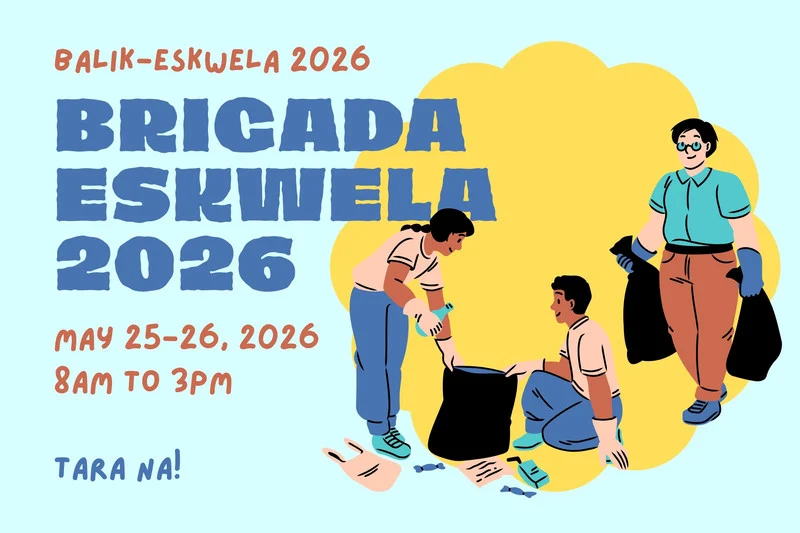

Every year, just weeks before millions of Filipino students head back to class, public schools across the Philippines experience a remarkable transformation. Classrooms are scrubbed clean, broken chairs are repaired, and faded walls are given a fresh coat of paint. But this isn't the work of highly paid contractors—it is the result of Brigada Eskwela, a massive, nationwide volunteer initiative that proves the traditional Filipino spirit of bayanihan is very much alive today.
Also known as the National Schools Maintenance Week, Brigada Eskwela is an annual program led by the Department of Education (DepEd). It brings together teachers, parents, students, local businesses, and community members to prepare public school facilities for the upcoming academic year.
The Heart of the Program: Bayanihan
To truly understand Brigada Eskwela, one must understand the concept of bayanihan. Historically depicting a community coming together to literally lift and move a neighbor's nipa hut to a new location, bayanihan represents communal unity, cooperation, and working together for a common good without expecting anything in return.
Brigada Eskwela channels this cultural value into the education system. It operates on the belief that it takes a village to raise a child, and consequently, it takes an entire community to build a safe, conducive learning environment.
What Happens During Brigada Eskwela?
For a full week (and often extending beyond), schools become buzzing hives of activity. Instead of relying solely on government funds for minor repairs and maintenance, schools rely on the generosity and sweat equity of volunteers.
Activities typically include:
Cleaning and Clearing: Sweeping classrooms, clearing gutters, weeding gardens, and disposing of accumulated trash.
Repairs: Fixing broken armchairs, desks, leaky roofs, and faulty plumbing.
Repainting: Giving blackboards, classroom walls, and school facades a fresh, vibrant look.
Resource Mobilization: Local businesses and private citizens donate cleaning materials, paint, cement, lumber, and sometimes even technology and reading materials.
Beyond Brooms and Paintbrushes: The True Impact
While the physical transformation of the schools is the most visible outcome of Brigada Eskwela, its impact goes much deeper.
1. Creating Conducive Learning Spaces A clean, safe, and well-maintained school environment directly impacts student learning. When students walk into a freshly painted classroom with repaired desks, they feel valued. It sets a positive, motivating tone for the entire school year.
2. Fostering Community Ownership When parents and community members invest their time and resources into a school, they develop a sense of ownership over it. The school is no longer just a government building; it becomes their school. This leads to higher parental involvement in their children's education year-round.
3. Teaching by Example For the students who participate or watch their parents and teachers work side-by-side, Brigada Eskwela is a powerful lesson in citizenship and civic duty. It teaches the younger generation that they have an active role to play in bettering their community.
4. Resource Efficiency By tapping into the spirit of volunteerism and private sector donations, the government saves billions of pesos in maintenance costs. These funds can then be redirected toward other critical educational needs, such as hiring more teachers or updating curriculum materials.
A Continuing Legacy
Brigada Eskwela is more than just a pre-school year cleanup drive; it is a celebration of community resilience and shared responsibility. In a world that often feels increasingly individualistic, this annual tradition serves as a beautiful reminder that when a community comes together with a shared purpose, they can build a brighter, cleaner, and better future for the next generation—one classroom at a time.